
Drug addiction treatment in Astana
Dependence on psychoactive substances changes how the brain and mind work. Help includes detox, treatment of co-occurring mental disorders, and rehabilitation.
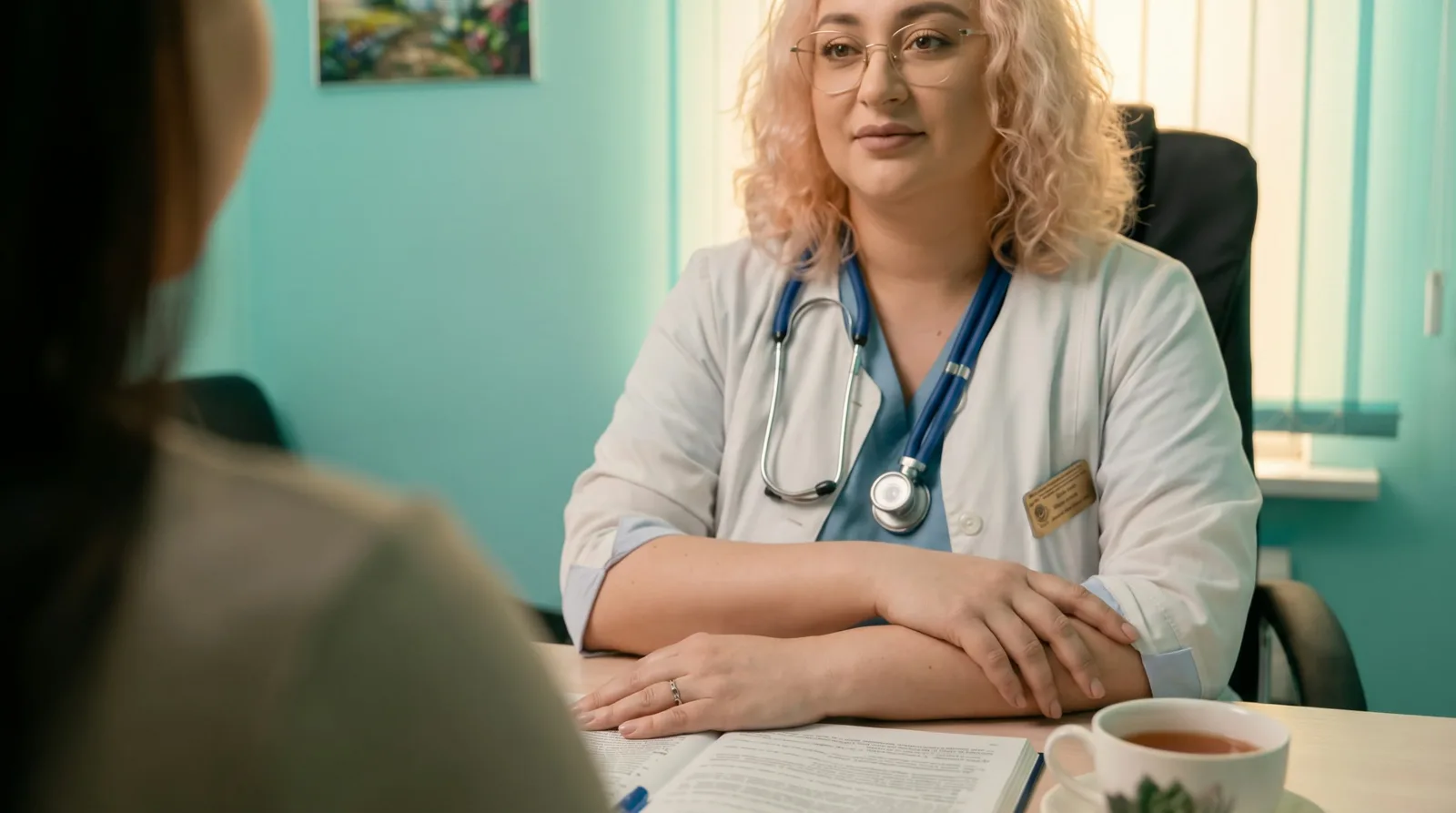
How we help
Addiction to psychoactive substances changes how the brain and mind work. Help includes detoxification, treatment of co-occurring mental disorders and rehabilitation. Doctors assess the condition and involve a psychotherapist if needed: anxiety, depression and insomnia often accompany addiction and get in the way of recovery.
Learn more about programs, conditions, and prices on the addiction medicine department's website.
Free People addiction medicine
Bekturganova Aliya Maratovna
Head of department, psychiatrist and addiction specialist, intensive care physician of the highest category · 30 years of experience
Aliya Maratovna is head of department at the Free People clinic in Astana, a psychiatrist, addiction specialist and intensive care physician of the highest category with 30 years of experience. At the City Mental Health Center, she headed the intensive care ward, the admissions department and the assessment office. Her experience in emergency care allows her to safely manage patients in serious conditions, including alcohol detox, withdrawal and acute psychotic states.
- Free People clinic, Astana — head of department, psychiatrist and addiction specialist, intensive care physician
- City Mental Health Center: head of the intensive care ward
- City Mental Health Center: head of the admissions department and the assessment office
Substance addiction: a safe way out and treating the causes
A person who uses drugs is often afraid to see a doctor: it is embarrassing, they fear exposure, and they think they can manage on their own. We explain why withdrawal without supervision is risky, how addiction and mental disorders are linked, and how confidential help works if it is the family, not the patient, who first thinks about it.
Why you shouldn't quit on your own
Withdrawal runs differently for different substances: from severe insomnia, pain, and anxiety to sharp blood pressure swings, seizures, and psychotic episodes. Attempts to wait it out at home without a doctor often end in a return to use simply to ease the condition. Supervised detox makes it possible to relieve acute symptoms, catch complications in time, and prepare the person for the next stage. The format — at home or in the inpatient unit — is decided by the doctor after an examination.
Dual diagnosis: when more than the addiction needs treatment
For many patients, substance use begins or intensifies against a background of depression, an anxiety disorder, the aftermath of trauma or sleep problems. The reverse also happens: substances trigger psychotic states, paranoia and panic attacks. If only the addiction is treated, untreated anxiety or depression pushes the person back to using. That is why a psychiatrist and addiction specialist assesses the mental state as a whole and brings in a psychotherapist when needed.
- examination and risk assessment
- detox and sleep recovery
- treatment of co-occurring disorders
- psychotherapy and work on cravings
- a relapse prevention plan together with the family
Confidentiality and voluntary participation
Coming to the clinic is medical care, not a reason for publicity. We observe medical confidentiality, and no referral is needed. Treatment of an adult is voluntary; without the patient's consent it is only possible by court order. That is why motivation matters so much: sometimes one honest conversation with a doctor is enough for a person to agree to take the first step. The clinic has inpatient units in Astana and Almaty; for patients from other cities, the first step is a video consultation.
Questions and answers
Do I need to tell the doctor exactly which substances the person took?
Can I bring a relative to the inpatient unit if they are under the influence of substances?
What is a relapse, and does it mean treatment hasn't worked?
How can you help if your loved one lives in another city?
Book an addiction specialist in Astana
Fill in the form and it will open in WhatsApp with a ready-made message. The clinic administrator in Astana will reply and find a suitable doctor and time.
- First consultation is free
- Confidential, medical confidentiality
- You can book an appointment for a loved one
- In person in Astana or online